

TL;DR: Quick summary of oil canning
- Oil canning describes visible waviness or ripples that occur in metal cladding panels.
- Causes range from manufacturing stresses and handling to temperature changes and structural misalignment.
- You can spot early signs by checking for uneven surfaces and panel tension before installation.
- Materials with thicker gauges, properly spaced fasteners, and thoughtful designs can greatly reduce oil canning.
- Being aware of it now helps you make smart cladding choices and avoid unexpected aesthetic surprises down the line.
What Is Oil Canning?
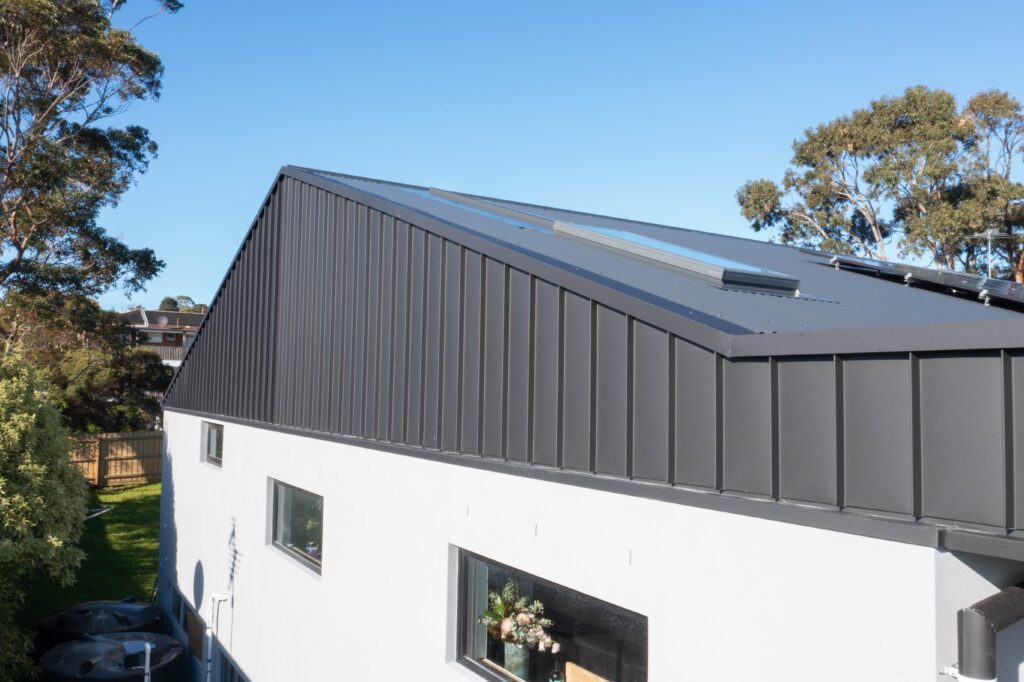
Oil canning is the waviness that appears on smooth metal panels when they reflect different angles of light. If you’ve walked by a metal-clad wall and noticed faint ripples, you’ve already seen it. Some professionals also call it elastic buckling or stress wrinkling. Although it usually does not affect performance, it can be an unwelcome focal point for homeowners and business owners who prefer a sleek, uniform look.
Many metal cladding profiles, such as standing seam cladding or snaplock, are more rigid than older sheet designs, which helps limit but not entirely eliminate oil canning. Thicker panels tend to flex less, while thinner sheets can be more prone to rippling. That said, even premium-grade products can develop oil canning if they’re installed under the wrong conditions or on an unsupported surface.
Good news: oil canning is generally a cosmetic issue, not a structural one. If you catch it early, you can often prevent it or at least reduce its visibility. The key is knowing how it happens, what to watch for, and how to put best practices in place when you plan your cladding project, at Top Glaze we always ensure we’re paying close attention to the material before, during and after install to reduce the risk of oil canning.
What Causes Oil Canning
Like many construction phenomena, oil canning rarely stems from just one factor. Instead, it’s usually a mixture of:
- Manufacturing tension
Metal sheets go through rolling, pressing, and shaping. Each stage can leave stress in the material, which then manifests as slight buckling or waves once the panels are fastened in place. - Thermal expansion
When the sun heats metal, it expands. Cooler temperatures at night make it contract again. Over repeated cycles, this expansion and contraction can create enough stress to produce or worsen oil canning. - Improper handling and storage
Bending, denting, or scratching the panels (even inadvertently) can weaken certain spots, leading to unevenness once installed. Storing panels on an uneven surface can also cause slight warping over time. - Panel width and design
Wider, flatter panels are more susceptible to oil canning, simply because there’s a larger surface where waves can appear. Deeper ribs or flutes in the design can help reinforce the sheet. - Structural misalignment
The building frame and cladding substructure must be even. If there are bumps or dips in your wall or roof deck, the metal might be forced to conform to an irregular shape, especially at the fastening points.
These factors often work together. For example, if you’re using wide panels that were not properly tension-levelled during manufacturing and you install them on a hot day with an uneven substrate, small ripples can appear fairly quickly. That’s why a balanced approach (good materials, careful handling, correct installation) is so important.
What To Look For Before & During Install
The best time to prevent oil canning is before you even begin. A thorough check of both your materials and your building’s structure can spare you headaches later.
Steps to review beforehand
- Assess panel quality: Ask your supplier if the panels were tension-levelled. This process helps reduce internal stress. Also, consider using heavier-gauge metal for areas that get intense sunlight.
- Examine the substructure: Ensure walls or roofs are free of dips, ridges, or loose fasteners. Even a tiny irregularity can show up once the metal is in place.
- Store materials properly: Keep panels flat and protected, preferably indoors or under a sturdy cover, to avoid accidental dents or warping.
Site and weather considerations
- Pick the right day: Installing during extreme heat or cold can amplify the metal’s expansion/contraction. Moderate weather is ideal, so the panels remain as close to their stable size as possible.
- Plan for movement: Incorporate expansion joints or design breaks if you’re covering large surfaces. This strategy offers each panel a chance to expand without pushing against its neighbour.
- Watch your fasteners: Using fewer fasteners can cause the panel to shift too freely and lead to buckling. On the other hand, overtightening fasteners clamps the sheet in place, making it more susceptible to waves when the metal tries to expand.
During installation, if you notice a wave forming, pause the work. Check your fasteners and alignment. Sometimes, a simple adjustment of the panel or loosening a fix point can reduce stress and fix that wavy patch before it sets.
How To Minimise Oil Canning
Once you know how oil canning occurs, you can design your project to limit it from the start. When working with Top Glaze Roofing you can discuss these details to ensure you end up with a crisp, professional finish.
1. Use the right thickness and finish
Heavier-gauge metal has less give and is less likely to show waves. Also, certain finishes can mask small imperfections. Matte or textured coatings, for example, conceal ripples more effectively than smooth, glossy surfaces.
2. Opt for tension-levelled panels
Before shipping, manufacturers can use tension levelling to flatten the metal uniformly. Ask your supplier or your installer about this. Tension-levelled sheets typically show fewer ripples because much of the built-in stress is removed during production.
3. Provide proper support
Your cladding system should include enough battens, insulation layers, or support rails so the panel lies evenly. For instance, some modern profiles like standing seam cladding have their own locking mechanisms that enhance rigidity. Solid support eliminates bounce and flex, minimising oil canning down the road.
4. Manage fasteners carefully
Pay attention to the recommended placement. Proper fastener spacing helps the panel move slightly with temperature swings. Using washers or flexible fastener systems can also reduce tension hotspots.
5. Consider profile and design choices
If you’re covering a garage or an entire wall, narrower panel widths or designs with slight fluting or ribbing can help hide small waves. Vertical lines hide expansions more effectively than wide, flat surfaces. A system like snaplock can provide crisp lines that lessen the visual impact of minor distortions.
6. Check cost trade-offs
Heavier gauges and special finishes can raise your budget. You might want to consult a cladding cost calculator or review local installation rates to compare options. If you’re only concerned with aesthetics in a less visible area, you might choose a standard gauge. In more prominent spots, upgrading your materials could be worth the investment.
Frequently asked questions
- Does oil canning affect the structural integrity of my metal cladding?
Generally, it doesn’t. Oil canning is considered a cosmetic issue. Most panels remain strong, watertight, and durable even if minor ripples appear. - Can I fix oil canning after installation?
In many cases, it’s tricky. You can try adjusting fasteners, adding stiffeners, or applying tension where possible, but a complete fix might require replacing the affected panels. Catching early signs is your best bet for a quick solution. - What’s the best metal thickness to avoid oil canning?
Thicker gauges (like 24-gauge steel or heavier) reduce the chance of visible ripples. However, the exact thickness depends on your project size, location, and budget. If you want more details, you can also explore how house cladding cost changes with different materials. - Will a textured finish help conceal oil canning?
Yes. Textured paints, matte coatings, or embossed surfaces mask minor distortions. They help deflect light in multiple directions, making ripples less noticeable.
Key takeaway and next steps
Oil canning might look worrying at first, but it’s usually all about the appearance rather than stability. By choosing high-quality materials, checking for flat surfaces, and using smart fastening and design methods, you’ll greatly reduce the odds of unsightly ripples. If you’re taking on a large project, chat to the team Top Glaze Roofing, we can save you from any future surprises.
Here’s a short reminder before you move forward:
- Plan carefully, including your storage and handling.
- Review your installation conditions.
- Pick designs that balance visual appeal with practicality.
- Consider thicker gauges and tension-levelled panels if budget permits.
This knowledge sets you up for a smooth, visually pleasing finish. Whether you’re cladding your entire home, sprucing up a commercial building, or exploring garage door cladding, staying ahead of oil canning ensures you end up with sturdy, eye-catching metal surfaces that last.


