

Living in Melbourne, where sudden downpours and changing weather are common, it’s not unusual to notice water stains on your ceiling, damp patches on walls, or even a drip during heavy rain, leaving you asking, why does my roof keep leaking? Roof leaks can happen in any type of home, and even small issues can quickly turn into serious damage if they aren’t fixed early. Knowing the typical causes and warning signs helps you act before water affects your ceilings, walls, and structure.
In this blog, we’ll explain the main reasons roofs leak, describe the signs to look for, and give practical advice on addressing leaks. Whether your roof is tiled, metal, or includes skylights or solar panels, understanding why leaks happen will help you protect your home and prevent ongoing issues.
Common Causes of Roof Leaks
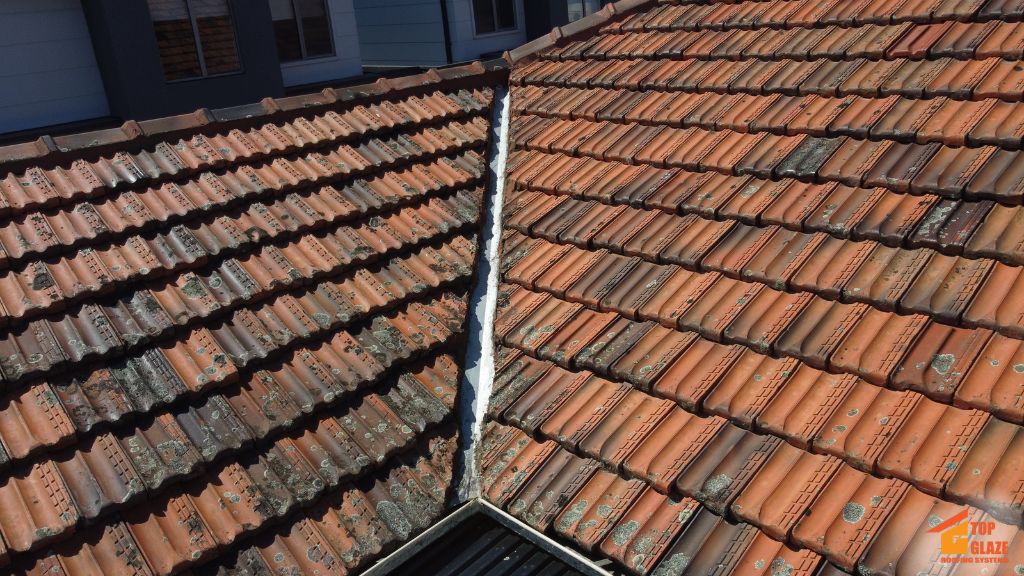
Here are the main reasons roofs start leaking, with details on how and why they happen:
1. Damaged or Broken Tiles
Roof tiles can crack or shift over time. Storms, hail, strong winds, or falling branches can break tiles and weaken the roof surface. Even a small crack or missing tile can allow rainwater to seep through, eventually reaching the ceiling or walls inside. Older tiles also become brittle and more prone to cracking, which makes leaks more likely. In many cases, timely tile roof repair can stop water damage early and prevent the need for more extensive roofing work later on.
2. Worn or Missing Flashing
Flashing is the metal or plastic lining around chimneys, vents, roof valleys, and joints. Its job is to seal these vulnerable areas against water. Over time, flashing can rust, corrode, or loosen. If flashing fails, water can slip through gaps, often causing leaks along the roof’s edges or near penetrations.
3. Blocked Gutters and Downpipes
Gutters and downpipes are meant to channel water safely off the roof. If they’re blocked with leaves, debris, or dirt, water can back up onto the roof or overflow along walls. This constant pooling can find weak spots in the roof, penetrate under tiles or sheets, and eventually cause leaks inside your home.
4. Roof Penetrations
Skylights, vents, pipes, and solar panels create openings in the roof. These areas are prone to leaks if seals fail or installation wasn’t done correctly. Even a small gap around a vent pipe or skylight can allow water to enter during rain, often causing leaks directly below these points.
5. Age and Weathering
All roofs degrade over time. Exposure to sun, rain, hail, and fluctuating temperatures gradually weakens roofing materials. Tiles can lose their shape, metal sheets may corrode, and sealants can crack. As a result, older roofs are more prone to leaks, sometimes in areas that were previously fine.
6. Lack of Maintenance
Many leaks occur because small issues are ignored. A single loose tile, a blocked gutter, or deteriorating flashing may seem minor but can become major problems over time. Dirt, moss, and debris buildup also trap moisture on the roof surface, which weakens tiles and sealants. This is why roof tile cleaning matters. Keeping tiles clean helps prevent water retention, reduces surface damage, and makes it easier to spot cracks or early signs of wear. Regular maintenance, inspections, and early repairs are essential to prevent repeated leaks and structural damage.
Signs Your Roof May Be Leaking
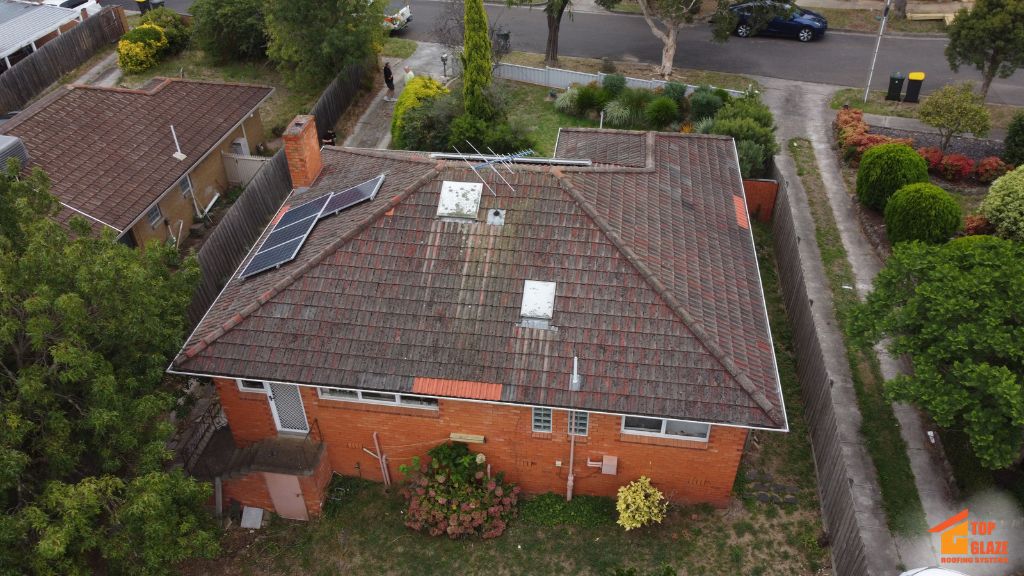
Leaks aren’t always obvious. Watch for these warning signs in your home:
- Water stains or brown marks on ceilings and walls
- Bubbling plaster or peeling paint
- Damp or mould in the attic
- Dripping water during or after rain
- Sagging roof decking or warped tiles
- Rusted nails or flashing
Catching leaks early can prevent bigger damage and more costly repairs.
How to Fix a Leaking Roof
Safety is the priority. Climbing a wet or steep roof can be dangerous. If you’re unsure, it’s best to call a professional. Active leaks usually require professional roof leak repair to stop water damage and prevent the problem from spreading. While waiting for help, you can take these steps to minimise damage:
Immediate Steps
- Contain the water: Place buckets or towels where drips are occurring.
- Protect belongings: Move furniture, electronics, and rugs away from the leak.
- Document the damage: Take photos for insurance purposes.
Professional Solutions
A licensed roofer can:
- Replace broken or cracked tiles
- Repair or replace worn flashing
- Clear blocked gutters and downpipes
- Re-seal areas around skylights, vents, or solar panels
- Apply protective roof coatings to help prevent future leaks
Regular inspections and timely maintenance can prevent small problems from becoming repeated leaks.
How to Prevent Roof Leaks
Preventing leaks keeps your home safe and avoids repeated repairs. Consider these steps:
Schedule annual inspections
A yearly roof check helps spot early issues like hairline cracks, loose tiles, worn sealants, or small gaps before they turn into leaks. Many roof problems start small and stay hidden until water finds a way in. Regular inspections let you fix problems early, which is cheaper and far less stressful than dealing with water damage later. Knowing how to check for roof leaks at home between inspections can also help catch early signs before damage spreads.
Clean gutters regularly
Gutters are designed to move water away from your roof and home. When they fill up with leaves, dirt, and debris, water has nowhere to go. It pools, overflows, and pushes back under roof edges and tiles. This slow water buildup often causes leaks along ceilings and walls without obvious roof damage.
Trim overhanging branches
Trees close to your roof drop leaves and debris into gutters and can damage tiles during storms. Heavy branches can scrape roofing materials or break tiles when they fall. Trimming them back reduces physical damage to the roof and keeps gutters clearer for better water flow.
Check flashing and seals
Flashing and sealants protect the most vulnerable parts of the roof, like chimneys, vents, skylights, and roof joints. Over time, these materials can crack, lift, rust, or dry out. Once this happens, water can slip through small gaps and cause leaks that spread inside the roof structure before you even see damage indoors.
Consider roof restoration
Roof restoration involves cleaning, repairing, and sealing the roof surface with protective coatings. These coatings help close small cracks, reduce water absorption, and protect roofing materials from weather damage. Restoration can extend the life of a roof and reduce the chance of recurring leaks without needing a full replacement.
Stop Roof Leaks Before They Cause Damage
If your roof keeps leaking and you’re in Melbourne, Top Glaze Roofing Systems can help. Our expert roof repair services identify the source of leaks, fix them properly, and prevent long-term damage to your home. Acting early can save you costly repairs and protect your property from ongoing water issues.
For professional advice and reliable solutions, contact us at 1800 88 77 98 or email info@topglaze.com.au. Our experienced team can inspect your roof, recommend practical solutions, and make sure your home stays dry through all kinds of weather.


