

Last Updated: November 15, 2026
Quick Summary
Long-lasting roofing depends on expert workmanship, because correct surface preparation, flashing detail and careful sealing of ridge capping and valleys matter more than the tile or sheet brand alone. A transparent quote should itemise preparation, materials, labour, disposal and make-good work, plus exclusions and variation rates, so you can compare quotes like for like.
- Top Glaze brings 38+ years of roofing experience to every job.
- Restoration suits sound roofs with faded tiles, worn pointing, moss or minor leaks.
- Replacement wins when leaks recur across the roof or battens have rotted.
- Ask for itemised pricing covering preparation, materials, labour, disposal and make-good work.
- A 10-year workmanship guarantee is only meaningful if it is in writing and transferable.
Table of Contents
- Why Long-Lasting Roofing Results Depend on Workmanship
- How Long Does Roof Restoration Last Compared With Replacement
- Roof Repair vs Roof Replacement: Choosing on Lifecycle Cost
- What a Transparent Roofing Quote Should Actually Show
- Questions to Ask a Roofing Contractor Before You Sign
- How to Compare Roofing Quotes Like for Like
- Request a Free Roofing Inspection and Quote
- Frequently Asked Questions
Why Long-Lasting Roofing Results Depend on Workmanship
A roof is only as good as the hands that install it. Long-lasting roofing results come from correct preparation, proper fixing and materials suited to the home, not from the tile or sheet alone. At Top Glaze, we have 38+ years of roofing experience, and we see roofs fail for reasons that often have more to do with installation than with the product.
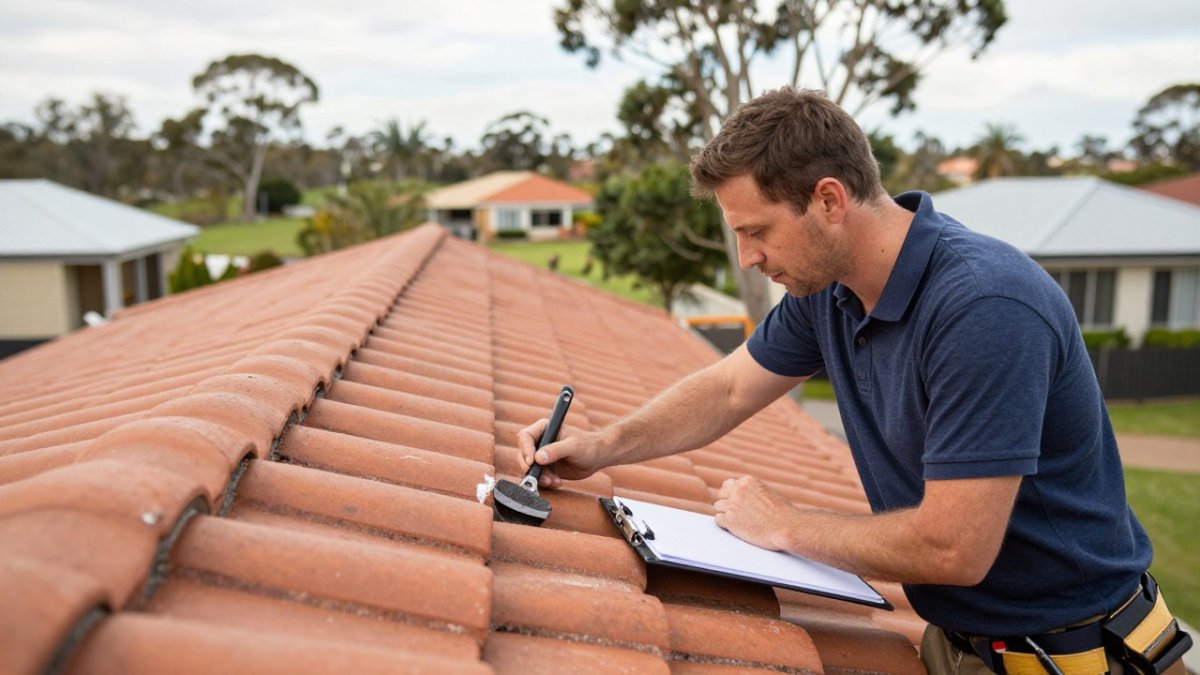
The same tile can last decades on one house and leak within a few seasons on another. The difference is usually surface preparation, flashing detail and how carefully the ridge capping and valleys are sealed. A common mistake is judging a quote on the tile brand while ignoring who is laying it.
Australian Building Codes Board guidance on roofing and waterproofing sets the standards that competent installation should follow. When those standards are skipped, even premium materials give poor value for money.
How Long Does Roof Restoration Last Compared With Replacement
A full replacement generally delivers a longer service life than restoration, and the expected lifespan of either depends on the roof’s condition and preparation. The honest answer depends on the condition of the existing roof, not the sales pitch.
Restoration suits roofs that are structurally sound but tired: faded tiles, worn pointing, moss and minor leaks. Replacement makes more sense when tiles are brittle, battens have rotted or the roof has already been repaired repeatedly.
- Restoration: generally a lower upfront cost than replacement, keeps the existing structure, suited to roofs where the roof bed is sound
- Replacement: higher cost, longer lifespan, fixes underlying structural problems
- Watch out: a coating applied over a wet or dirty roof will peel early, which is why surface preparation decides how long the job lasts
Standards Australia on roof tiling and waterproofing covers the installation detail that separates a durable result from a short-lived one.
Roof Repair vs Roof Replacement: Choosing on Lifecycle Cost
Repair is the better choice when damage is isolated and the rest of the roof is sound. Replacement wins when repairs keep recurring, because repeated call-outs add up faster than one properly scoped job.
Lifecycle cost is the total you spend over the years, not the first invoice. A cheap patch that fails again next winter is rarely value for money. Ask yourself how many repairs the roof has already had, and whether the same area keeps failing.
| Situation | Better Choice | Why |
|---|---|---|
| Isolated cracked tiles | Repair | Localised fix, low disruption |
| Worn surface, sound structure | Restoration | Extends life at moderate cost |
| Recurring leaks across the roof | Replacement | Stops repeat call-outs |
| Brittle tiles, rotted battens | Replacement | Repairs won’t hold |
| Selling within a few years | Restoration | Improves appearance and value |
For a fuller breakdown of both paths, see our guide on whether it is better to repair or replace a roof.
What a Transparent Roofing Quote Should Actually Show
A transparent roofing quote lists the scope, materials, labour, exclusions and payment terms in plain terms. If a quote is a single lump sum with no detail, you cannot compare it fairly or know what is excluded. The practical test is whether a stranger could read the quote and know exactly what will be done, what will not be done, and what happens if the job changes.
Ask for itemised pricing covering surface preparation, materials, labour, disposal of old materials and any make-good work. A useful structure separates the quote into these lines:
- Preparation: pressure cleaning, moss treatment, replacing broken tiles, re-bedding and re-pointing ridge capping and valleys
- Materials: tile or sheet type and brand, coating system and number of coats, flashing and sealant specification
- Labour: installation, supervision and any specialist trades such as electrical disconnection for solar
- Disposal: skip bin hire and tip fees for old tiles, battens and packaging
- Make-good: repainting fascia, replacing rotten battens, fixing skylights or repairing gutters disturbed by the work
Check what is not included: scaffolding, replacing rotten battens, repainting fascia or fixing skylights. These are common hidden costs. A quote that omits scaffolding but requires it for a two-storey home is not cheaper, it is incomplete. Ask each contractor to state explicitly whether scaffolding, safety rail and permit costs are included or excluded.
Variations deserve their own line. Concealed damage is common on older roofs: battens may be rotted under sound tiles, or flashing may be rusted behind a fascia. A transparent quote states the hourly or per-item rate for variations and requires written approval before extra work proceeds. Without that, a fixed price can drift once the roof is opened up.
Payment terms matter too. A reasonable deposit, staged payments tied to progress and a clear final payment on completion protect you. Payment is commonly structured as a deposit, progress payments at defined milestones, and a final payment after inspection. Confirm the exact terms in your written quote. Be cautious of large upfront payments or requests for cash before work begins.
Watch out: a quote that is firm on price but silent on exclusions, variation rates and payment stages is not transparent, it is merely fixed, and the fixed number often assumes the easiest possible roof.
For a sense of how itemised restoration pricing looks in practice, read our roof restoration cost guide.
Questions to Ask a Roofing Contractor Before You Sign
Before signing, confirm licensing, insurance, warranty terms and exactly what the job covers. These four answers separate a reliable contractor from a risky one.
- Are you licensed and insured, and can I see the certificate?
- What does your workmanship warranty cover, and how long does it run?
- What is excluded from this quote?
- Who will be on site, and how long will the job take?
- How do you handle variations if you find extra damage?
A common mistake is accepting a verbal promise about warranty. Get it in writing. Our homeowner checklist on how to choose a good roofer walks through these checks step by step.
How to Compare Roofing Quotes Like for Like
Comparing quotes fairly means matching scope to scope, not just looking at the bottom line. A lower quote often simply leaves more out. The framework below turns a pile of quotes into a like-for-like comparison by scoring each one against the same criteria rather than ranking them by headline price.
1. Scope and preparation. Line up each quote against the same list: preparation method, materials specified, workmanship warranty length, exclusions, and payment schedule. If one quote includes batten replacement and another does not, they are not comparable. Ask each contractor to confirm the same scope in writing. Preparation is where quotes diverge most: one may include full pressure cleaning and moss treatment, another a light wash only.
2. Materials and specification. Compare brand, grade and quantity, not just the word ’tile’ or ‘Colorbond’. A quote that specifies a premium coating system with a stated number of coats is not the same as one that says ‘repaint’. Ask for the product data sheet and the expected service life under the manufacturer’s conditions.
3. Labour and supervision. Confirm who will be on site, whether the contractor or a subcontractor performs the work, and whether supervision is included. A low labour line can mean unqualified labour or no site supervision.
4. Exclusions and variations. List every exclusion side by side. Common exclusions include scaffolding, permit fees, electrical work, gutter replacement and disposal. Then compare variation rates: the hourly rate and the process for approving extra work. A quote with a low base price but a high variation rate can cost more once concealed damage appears.
5. Warranty and evidence. Distinguish the workmanship warranty from the manufacturer’s material warranty. Ask what each covers, how long each runs, and what conditions void it. A 10-year workmanship guarantee is only meaningful if it is in writing and transferable to a new owner.
6. Lifecycle cost. Compare initial cost, expected service life, maintenance, repairs and replacement timing. A restoration at a lower upfront cost that lasts 10 to 15 years may cost more per year of service than a replacement that lasts decades, or less, depending on the roof’s condition. Divide each quote by its expected service life to get a rough annual cost, then add likely maintenance.
Use this checklist to score each quote:
- Same materials and brands specified
- Surface preparation described in detail
- Workmanship warranty length and coverage stated
- Exclusions clearly listed
- Variation rates and approval process confirmed
- Payment terms and deposit confirmed
- Start and completion dates agreed
- Expected service life and maintenance schedule stated
Watch out: comparing quotes on price alone rewards the contractor who scoped the least work, not the one who will deliver the longest-lasting result.
For a fuller breakdown of both paths, see our guide on whether it is better to repair or replace a roof.
Request a Free Roofing Inspection and Quote
An inspection turns guesswork into a clear scope, and it is the fastest way to know whether you need a repair, a restoration or a replacement. Top Glaze offers a free roofing inspection, so you can get an assessment before committing to anything.
Our fully licensed and insured team works across cement and terracotta tiles and Colorbond and Zincalume metal roofing. Our 10-year workmanship guarantee applies to the work we carry out; check the website for current terms. If you want to understand what that protection actually covers, read our guide on what a roofing warranty covers, or if you are ready to hire, see how to find a licensed roofing contractor.
Your roof has to handle everything the weather throws at it, and the difference between a job that lasts and one that fails early comes down to who does the work. Top Glaze brings 38+ years of experience, a 10-year workmanship guarantee and fully licensed, insured professionals to every inspection and quote. Get started with Top Glaze and secure long-lasting roofing results backed by award-winning service.
Frequently Asked Questions
How can I tell whether a roofing quote is transparent?
A transparent quote itemises the work: surface preparation, materials by type and quantity, labour, scaffolding, waste removal and any variations. It states exclusions and payment terms in writing, and separates provisional sums from fixed costs. If a quote is a single lump sum with no breakdown, ask for the missing detail before comparing it with anything else. Long-lasting roofing depends on knowing exactly what is being installed and how.
Does better workmanship make a roof last longer?
Yes. Correct surface preparation, proper fixing of tiles or sheeting, correct flashings and adequate ventilation all affect how long a roof performs. Two roofs using identical materials can age very differently if one was installed to standard and the other was not. That is why a 10-year workmanship guarantee is worth checking alongside the material warranty, and why you should ask how the contractor verifies installation quality.
How long does roof restoration last?
It depends on the roof type, its condition before work starts and the products used. A well-prepped tile restoration with repointing, recoating and replaced broken tiles can reasonably be expected to protect the home for many years, but no honest contractor will promise a fixed figure without inspecting the roof. Ask what preparation is included and what maintenance is recommended, because those two factors drive how long the result holds.
Is roof restoration or replacement better value?
Restoration usually costs less upfront and suits roofs that are structurally sound with worn coatings or minor damage. Replacement makes more sense when the roof is near the end of its service life, has widespread structural issues or needs upgrading. Compare lifecycle cost rather than the initial figure: a cheaper repair that fails in three years can cost more than a replacement that lasts decades.


