

Last Updated: 1 November 2026
Quick Summary
Yes, Zincalume rust near the coast is a real risk because salt air attacks the protective aluminium-zinc coating faster than almost anything else. Unpainted Zincalume is far more vulnerable than painted steel, so protection depends on distance from the sea, exposure and maintenance.
- Unpainted Zincalume is a poor choice within roughly 100-200 m of the shoreline.
- Painted steel performs well from about 200 m to 1 km if the coating stays intact.
- Blocked gutters and leaf litter in valleys are the biggest accelerant of coastal corrosion.
- Wash down salt deposits with fresh water quarterly and clear debris from valleys and gutters.
- Never use hydrochloric acid or chloride-based cleaners on Zincalume or painted steel.
Table of Contents
- Does Zincalume Rust Near the Coast? The Straight Answer
- Zincalume vs Colorbond Coastal Areas: What Actually Differs
- How Salt Spray, Debris and Drainage Drive Corrosion
- How Close to the Coast Can Zincalume Be Used?
- The Best Metal Roofing for Coastal Areas: A Practical Comparison
- How to Prevent Corrosion on Metal Roofing
- Coastal Roof Maintenance: A Schedule That Works
- Book a Free Roof Inspection Before Corrosion Spreads
- Frequently Asked Questions
Does Zincalume Rust Near the Coast? The Straight Answer
Yes, Zincalume rust near the coast is a real risk, and the confusion around this question comes from mixing up two different failures. Zincalume is a steel roofing product with an aluminium-zinc coating, not a rust-proof material. The coating protects the steel underneath, but salt air attacks that coating faster than almost anything else.
Here’s the part most guides get wrong: unpainted Zincalume is far more exposed to coastal attack than painted steel. As Aqua Shield Roofing’s comparison of Colorsteel and Zincalume notes, unpainted Zincalume is more vulnerable to corrosion near the coast.
Below, we’ll show you exactly where Zincalume works, where it doesn’t, and how to stop corrosion before it eats into the steel.
Zincalume vs Colorbond Coastal Areas: What Actually Differs
Zincalume and Colorbond are both steel roofing products, but they handle coastal conditions very differently. The core steel is similar. The coating is what changes the outcome.
Coating Composition and How Each Resists Salt
Zincalume is steel coated with an aluminium-zinc alloy.
That painted layer is the key. It seals the metal from salt air, debris and moisture. Unpainted Zincalume has no such barrier.
Salt spray settles on the surface and holds moisture against the coating. Over time, that moisture breaks down the protective layer. Once the coating is compromised, the steel substrate starts to rust.
When the Painted Finish Is the Deciding Factor
In coastal environments, the painted finish is often the difference between a long service life and premature corrosion. A painted surface sheds salt deposits more readily and resists the constant wet-dry cycle.
For homeowners weighing up repainting or restoring a metal roof, our guide to the best paint for Colorbond roof restoration covers how a quality coating system extends roof life.
How Salt Spray, Debris and Drainage Drive Corrosion
Salt spray is only part of the problem. Corrosion near the coast is usually a combination of salt, trapped moisture and poor drainage working together.
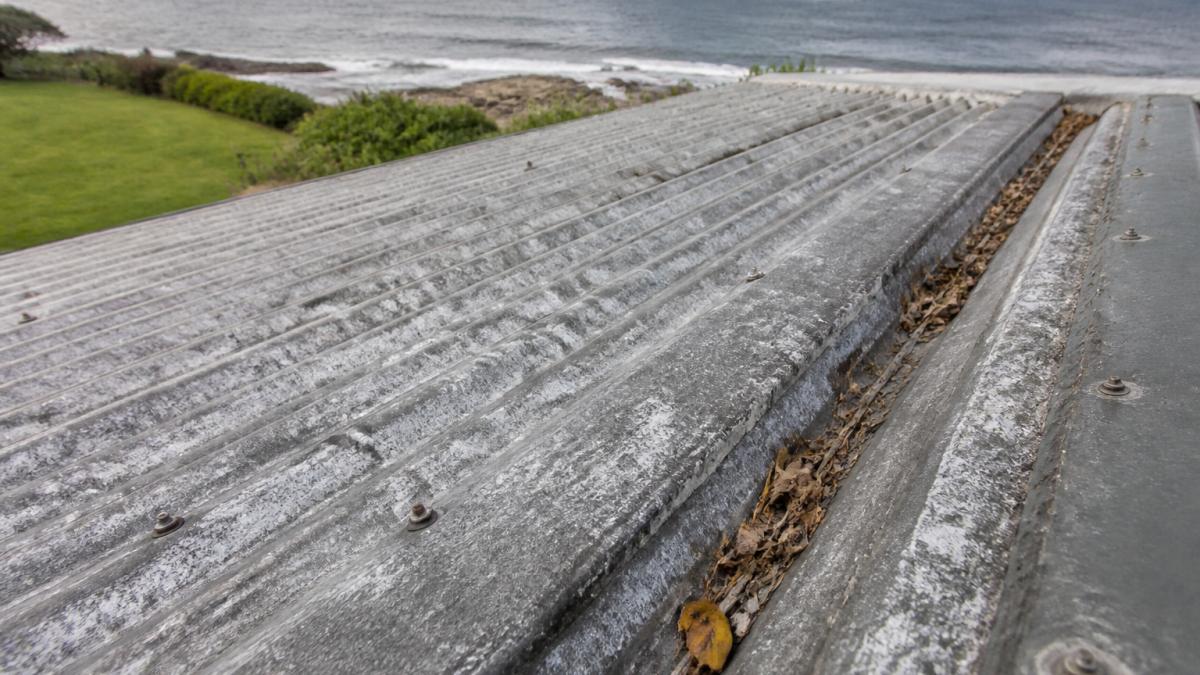
Regular maintenance and the removal of these corrosive deposits remain the most effective methods for preventing saltwater corrosion before the structural integrity of the roof is permanently compromised.
Here’s how the damage builds:
- Salt deposits settle on the roof and draw moisture from the air
- Trapped debris in valleys and gutters holds water against the metal
- Poor drainage lets water pool, especially in low-profile cladding
The combination is what makes coastal roofs fail faster than inland ones. A roof that stays clean and drains well lasts longer than one that traps water and debris.
Watch out: blocked gutters and leaf litter in roof valleys are the single biggest accelerant of coastal corrosion we see on inspections.
How Close to the Coast Can Zincalume Be Used?
There is no single distance rule that applies everywhere, and any supplier who gives you one number is oversimplifying. Distance from the ocean matters, but so does wind direction, elevation, terrain, shelter from headlands and vegetation, and how often salt spray actually reaches the surface. The practical answer is to classify your site into an exposure zone, then match the product and maintenance regime to that zone.
A Practical Exposure Framework
It can help to think in broad exposure bands rather than a single threshold. These are qualitative guides, not manufacturer warranties, always confirm the exact product’s current installation and warranty documentation for your address.
- Severe marine exposure: within roughly 100-200 m of the shoreline, or further inland where onshore winds, surf zones or exposed headlands carry salt spray regularly. Unpainted Zincalume is a poor choice here. Painted steel, aluminium or stainless steel are the safer options, and even then maintenance must be frequent.
- High marine exposure: roughly 200 m to 1 km from the coast, with salt air present but spray less frequent. Painted steel performs well if the coating stays intact; unpainted Zincalume is risky and needs recoating or a painted system.
- Moderate coastal exposure: roughly 1-5 km inland, or closer where topography and vegetation shelter the site. Salt air is present but diluted. Painted steel is comfortable here; unpainted Zincalume can perform if kept clean and inspected.
These bands are indicative only. A site 300 m from the sea on a sheltered, vegetated block can behave like a moderate-exposure site, while a site 2 km inland on an exposed ridge facing onshore winds can behave like a high-exposure one.
Site Factors That Move You Up or Down a Zone
- Wind direction: prevailing onshore winds carry salt further inland than offshore winds.
- Elevation and roof height: higher roofs catch more airborne salt and dry faster, but also receive more spray.
- Terrain and shelter: headlands, dunes, tree belts and neighbouring buildings can shield a roof; conversely, a gap that funnels wind can concentrate salt deposition.
If you are unsure which zone your home falls into, a professional assessment is the cheapest way to remove the guesswork. Ask the assessor to note distance to the shoreline, prevailing wind direction, roof pitch and any debris-trapping details.
The safest approach is to match the product to the exposure, then maintain to the exposure. A severe-marine site needs a painted or stainless system and a frequent wash-down schedule; a sheltered inland site can use unpainted Zincalume with routine cleaning and inspection.
Request A FREE ROOFING Inspection →
The Best Metal Roofing for Coastal Areas: A Practical Comparison
For coastal homes, painted steel and stainless steel are the safer bets. Unpainted Zincalume sits at the bottom of the list for salt-air exposure.
| Material | Coastal Suitability | Key Strength | Main Risk |
|---|---|---|---|
| Colorbond | Good | Painted barrier resists salt | Coating damage exposes steel |
| Stainless steel | Excellent | Very high corrosion resistance | Higher cost |
| Painted Zincalume | Moderate | Coating plus paint protection | Paint wear at edges |
| Unpainted Zincalume | Poor near coast | Low upfront cost | Fast coating breakdown |
Stainless steel offers strong corrosion resistance but is generally a higher-cost option. Colorbond is a commonly used painted option for coastal homes.
If Zincalume isn’t the right fit for your coastal property, our guide to metal roof replacement in Melbourne walks through Colorbond options, permits and what to expect.
How to Prevent Corrosion on Metal Roofing
Prevention comes down to keeping the coating intact and the roof dry. These steps make the biggest difference:
- Wash the roof regularly to remove salt deposits
- Clear debris from valleys and gutters
- Repair scratches and coating damage promptly
Fasteners, Dissimilar Metals and Direct Contact
Small details cause big failures. When two different metals touch, galvanic corrosion can start. This is why fastener choice matters so much.
Use zinc-coated or matching fasteners, and isolate dissimilar metals where they meet.
If corrosion has already taken hold, professional metal roof repair in Melbourne can treat the affected areas and stop it spreading.
Coastal Roof Maintenance: A Schedule That Works
A consistent schedule beats occasional deep cleans. For practical seasonal tasks, see our summer roof maintenance tips for Melbourne homes. Salt builds up quietly, so regular care is what protects the coating. The schedule below is a starting point; increase frequency in severe or high marine exposure, and after any significant storm or bushfire smoke event.
| Timeframe | Task | Purpose |
|---|---|---|
| Monthly | Check gutters and valleys from the ground or with binoculars | Spot blockages and debris early |
| Quarterly | Wash down salt deposits with fresh water | Protect the coating from salt attack |
| After storms | Inspect for damage, debris and coating scuffs | Catch problems fast |
| Annually | Professional roof inspection | Assess coating, fixings and flashings |
| Every few years | Recoat unpainted surfaces where exposure is high | Restore the protective barrier |
Safe Cleaning Instructions
- Rinse first, then wash. Use fresh water to dissolve and carry away salt before any scrubbing. A gentle garden hose is usually enough; avoid high-pressure jets that can drive water into laps and fixings or strip chalky coating.
- Use a soft broom or soft brush. Never use steel wool, abrasive pads or wire brushes on Zincalume or painted steel, they scratch the coating and create initiation points for corrosion.
- Use a mild detergent only. A pH-neutral car wash or mild household detergent is suitable. Avoid acidic or caustic cleaners, bleach-heavy products and anything containing chloride salts.
Never mix cleaning chemicals, and never use hydrochloric acid or chloride-based cleaners on Zincalume or painted steel. They attack the protective coating directly.
Early Warning Signs to Look For
Inspect the areas where corrosion commonly starts: cut edges, fastener heads, laps and seams, flashings, gutter lines and any area that retains moisture. Look for:
- White, chalky or powdery deposits on the coating, this is often white corrosion product (zinc/aluminium corrosion), not steel rust. It signals the coating is being consumed and needs attention.
- Red-brown staining or flaking, this is steel rust, meaning the coating has been breached or depleted at that point.
- Rust streaks below fasteners or laps, often the first visible sign of fastener or crevice corrosion.
Distinguish cosmetic change from damage: light chalking and colour fade are usually cosmetic, while red rust, perforation, loose fixings and coating breakthrough at edges require prompt repair.
Sheltered and Debris-Trapping Areas Need Extra Attention
Roofs in sheltered spots, under tree cover, or with parapets, valleys and low-pitch sections dry slowly and trap salt and debris. These areas need more frequent inspection and cleaning than the main roof plane, even if the site is otherwise moderate exposure.
Book a Free Roof Inspection Before Corrosion Spreads
Coastal corrosion is easy to miss until it’s expensive. A small patch of coating breakdown can turn into rusted steel within a few seasons.
At Top Glaze, we have 38+ years of roofing experience, a 10-year workmanship guarantee and a $0 call-out fee.
Get started with Top Glaze and protect your roof before corrosion spreads. Request a free roofing inspection today. Request a free roofing inspection today.
Frequently Asked Questions
Does Zincalume rust near the coast?
Yes, unpainted Zincalume can corrode near the coast. The aluminium-zinc coating protects the steel substrate, but salt spray, salt deposits and trapped moisture break that coating down faster than inland conditions. Once the coating is compromised at cut edges, scratches or fastener points, the steel beneath begins to rust. Painted Zincalume and Colorbond hold up better because the paint film adds a second barrier, but neither is immune in a marine atmosphere. Regular washing and prompt touch-ups of damaged areas are what extend service life.
How close to the coast can you use Zincalume roofing?
There is no single universal distance threshold, and manufacturers set their own coastal suitability limits in their product literature and warranty documents. As a rule of thumb, the closer the roof is to breaking surf and prevailing onshore winds, the more aggressive the salt exposure and the faster any unpainted coating will degrade. Homes within a few hundred metres of the shoreline face the highest risk. Check the specific product warranty for your sheeting before committing, and factor in wind direction and terrain, not just straight-line distance.
Is Colorbond more suitable than Zincalume for coastal homes?
For most coastal homes, a painted product like Colorbond is the more suitable choice. The paint system adds a barrier over the aluminium-zinc coating, so salt spray has to defeat two layers rather than one. Unpainted Zincalume relies entirely on its metallic coating and sacrificial protection, which is why it is more vulnerable near the sea. That said, painted sheeting still needs washing and inspection. Coating damage from ladders, fasteners or debris should be touched up promptly to keep the barrier intact.
How can you prevent corrosion on a Zincalume roof?
Start with design and installation: specify zinc-coated or compatible fasteners, avoid direct contact between dissimilar metals, and make sure the roof drains freely with no ponding or debris traps. During service, wash the roof at least every six months in coastal conditions using fresh water and a soft broom, working top down. Clear leaf litter from valleys and gutters, and touch up scratches or cut edges with a compatible coating. Have the roof inspected after severe storms, since wind-driven salt and impact damage both accelerate corrosion.
Salt air doesn’t wait, and neither should you. Book a free inspection and find out exactly where your roof stands.


