

Last Updated: October 28, 2026
Quick Summary
If your roof is leaking during a storm, first switch off power to nearby fittings, move belongings and catch the drips. Then trace the leak and call a licensed roofer for emergency roof repairs, since water often enters far from where it drips.
- Turn off power to any light fittings or appliances near the wet area first.
- Do not climb onto a wet or storm-damaged roof.
- Photograph the damage from inside and out before cleaning up.
- Water often travels along battens and rafters, so the drip may sit metres from the fault.
- Keep the tarp taut and clear of gutters until the roofer arrives.
Table of Contents
- What to Do First When Your Roof Starts Leaking in a Storm
- How to Find the Source of a Roof Leak
- Temporary Roof Leak Repair: Stopping Water Safely Until a Roofer Arrives
- What Counts as an Emergency Roof Repair in Melbourne
- Storm Damage Roof Repairs: What Insurance Typically Covers
- Emergency Roof Repair Cost: What Affects the Price
- What to Ask Before Hiring an Emergency Roofer
- Booking a Free Roof Inspection With Top Glaze
- Frequently Asked Questions
Water dripping through the ceiling during a storm is stressful, and the first hour matters more than most homeowners realise. Top Glaze has 38+ years of roofing experience, and this guide covers what to do first, how to trace a leak, and what separates a true emergency from a repair that can wait. This guide walks through what to do first, how to trace a leak, and what separates a true emergency from a repair that can wait.
Top Glaze is fully licensed and insured, and offers a $0 call-out fee for inspections. Work through the steps below in order and keep the water away from your ceiling while you wait for a roofer.
What to Do First When Your Roof Starts Leaking in a Storm
Your first priority is safety, not the roof. Turn off power to any light fittings or appliances near the wet area, and move furniture and rugs out of the way. Place buckets under the drips and lay towels on the floor.
Do not climb onto a wet or storm-damaged roof, and do not go into the roof cavity if water is pooling or ceiling plaster is sagging. Photograph the damage from inside and out before you clean anything up.
How to Find the Source of a Roof Leak
Water rarely runs straight down from the hole it enters. It travels along battens, rafters and sarking before it appears on the ceiling, so the drip is often metres from the actual fault.
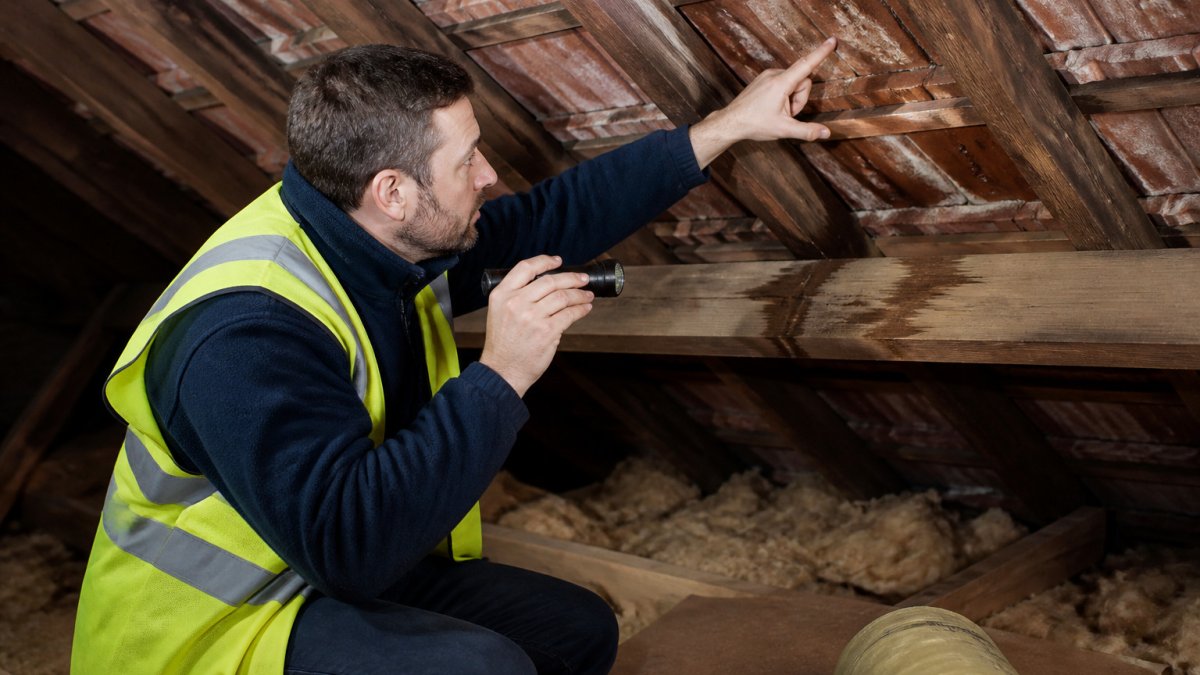
Look for daylight through the roof, dark water stains on timber, and rust on fixings. Check around flashings, valleys, roof penetrations such as vent pipes and skylights, and any cracked or slipped tiles. Mark the spot with a pencil so a roofer can find it quickly.
A common mistake is sealing the first crack you find. Water often enters at one point and tracks to another, so the leak may persist after a patch.
Tracing a leak is easier when you know where water usually hides and where it commonly enters.
| Check | Where to look | Why it matters |
|---|---|---|
| Daylight through roof | Gaps in the roof covering | Shows the entry point |
| Dark water stains | Timber framing | Shows water has tracked |
| Rust on fixings | Roof fasteners | Signals long-term moisture |
| Flashings and valleys | Roof joins and gutters | Common leak points |
| Roof penetrations | Vent pipes and skylights | Frequent weak spots |
| Cracked or slipped tiles | Roof surface | Direct water path |
Temporary Roof Leak Repair: Stopping Water Safely Until a Roofer Arrives
A temporary fix buys time. It does not replace a proper repair.
Keep the tarp taut and clear of gutters. Use it only until the roofer arrives, and do not attempt work on wet tiles or steep pitches yourself.
Request A FREE ROOFING Inspection →
What Counts as an Emergency Roof Repair in Melbourne
An emergency is any damage that puts people at risk or lets water into the home now. That includes ceiling collapse, a large section of missing roof covering, exposed roof framing, or active leaking during rain. Storm debris lodged in the roof or sagging gutters pulling away from the fascia can also qualify.
Cosmetic issues such as faded colour, moss growth or a few loose ridge caps usually can wait for a scheduled inspection. If you are unsure, call a licensed roofer and describe what you can see.
Storm Damage Roof Repairs: What Insurance Typically Covers
Keep your photos, the roofer’s written report and any temporary repair receipts. Check your policy’s excess and whether you need approval before engaging a contractor. If you are unsure what your policy covers, ask your insurer to confirm in writing before work begins.
Emergency Roof Repair Cost: What Affects the Price
Top Glaze offers a $0 call-out fee for inspections.
What to Ask Before Hiring an Emergency Roofer
Storm season brings opportunistic operators, so verify before you pay. Ask for the business’s licence details and check them.
Be wary of anyone who demands a large deposit, pressures you to sign on the spot, or offers a price that is far below everyone else’s. Top Glaze provides a 10-year workmanship guarantee.
Booking a Free Roof Inspection With Top Glaze
If water is entering your home, the sooner the source is found, the less damage you are likely to face. Top Glaze is fully licensed and insured, has 38+ years of roofing experience, and offers a $0 call-out fee. Top Glaze specialises in roofing solutions for cement tiles, terracotta tiles, Colorbond and Zincalume corrugated metal.
Request a free roofing inspection today.
Frequently Asked Questions
What should I do if my roof starts leaking during a storm?
Move valuables and furniture away from the affected area, place buckets or containers under the drip and protect electrical outlets and light fittings. If water is reaching power points or ceiling fixtures, switch off power at the switchboard where it is safe to do so. Take photos and video of the damage for your insurer, then call a licensed roofer for an emergency inspection. Avoid climbing onto a wet roof during a storm, as slipping is a serious risk. Top Glaze offers a free roofing inspection and a $0 call-out fee.
Can a roofer repair a roof in the rain?
Some temporary repairs can be made in wet weather, but many roofers will wait for safer conditions before working on a wet or slippery roof. Wet tiles and metal sheeting are hazardous, and rain can make it hard to seal materials properly. A roofer may place a tarp or apply a temporary sealant to stop water entering until the roof can be fully repaired. Ask any roofer how they plan to manage safety and water control before work begins.
Will home insurance cover emergency roof repairs?
Many Australian home insurance policies cover sudden storm damage, such as wind or hail damage that allows water in, but coverage varies by policy and excludes gradual wear, poor maintenance and neglected leaks. Check your Product Disclosure Statement for storm and water damage terms and any excess that applies. Keep photos, receipts and a record of when the damage was first noticed, and lodge a claim with your insurer as soon as possible. A licensed roofer can provide a written report describing the cause of the damage to support your claim.
What should I ask before hiring an emergency roofer?
Top Glaze holds a 10-year workmanship guarantee, is fully licensed and insured, and offers a $0 call-out fee for inspections.


